
Field Notes: When True Worlds Collide.
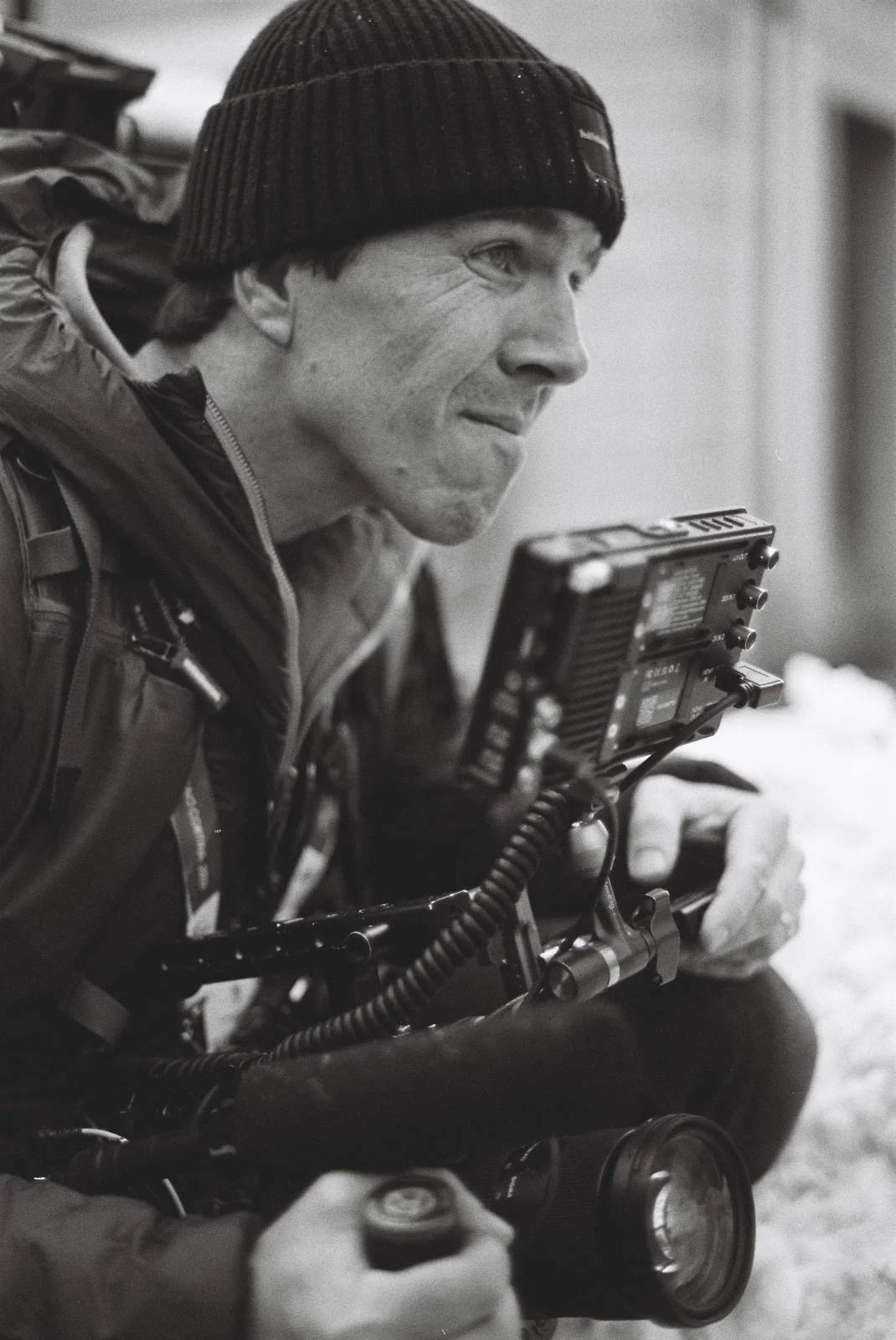
Do you let it happen or intervene?
In the early days of documentary filmmaking, the ambition was modest: Just try not to be noticed.
And in our quest to be great, I have been thinking hard about what makes a great documentary. In the 90’s, my favourite documentary era, crews became smaller as technology allowed it. Cameras moved onto shoulders. Sound recordists drifted quietly around rooms with long cables and the idea was very simple:
If the filmmaker stayed long enough, something true might happen.
This was the spirit of cinéma vérité and observational documentary. The camera didn’t instruct reality so much as run adjacent to it. It waited. And sometimes, if patience held, something revealing would surface.
A number of the documentaries that still linger in the memory follow that philosophy. The BBC’s From A to B, for instance, quietly followed the middle manager class travelling around the UK, steadily improving sales on the quest for a slighly better company car. There was no dramatic score, no stylised reconstruction, no narrator telling you what it all meant. Just men driving, waiting, eating, commiserating, navigating long stretches of road and longer stretches of time. It felt less like a film than like being allowed to sit in the passenger seat of someone else’s life.
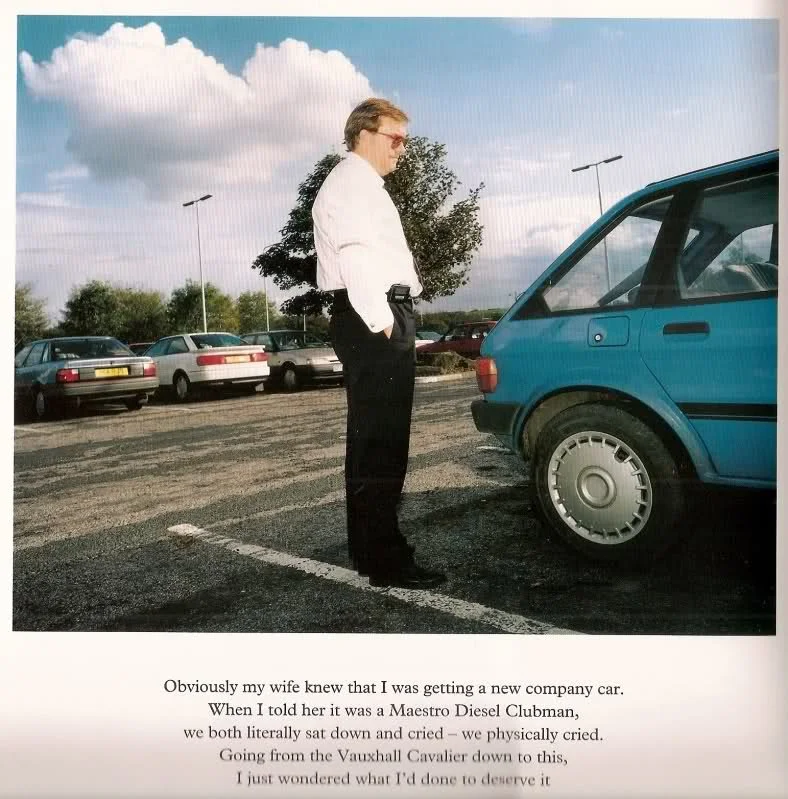
I wouldn’t wish a diesel Maestro on my worst enemy.
What these films shared was restraint. They trusted behaviour.
People weren’t explaining themselves in retrospect. They were living through events in real time and as scenes drifted, conversations overlapped the meaning of what you were watching slowly revealed itself, sometimes hours later.
It felt closer to anthropology than entertainment.
Interestingly, that observational language would go on to influence fiction in unexpected ways. When The Office (my favourite all time UK TV series) first appeared in 2001, its brilliance lay partly in how faithfully it borrowed the grammar of documentary filmmaking. The awkward pauses, the lingering camera, the characters glancing nervously toward the lens. Echoes of the rhythms of fly-on-the-wall television. The humour worked precisely because the format felt real enough to be uncomfortable. The camera behaved like a documentary crew that simply happened to be trapped inside the most painfully ordinary workplace in Britain. And we loved it.
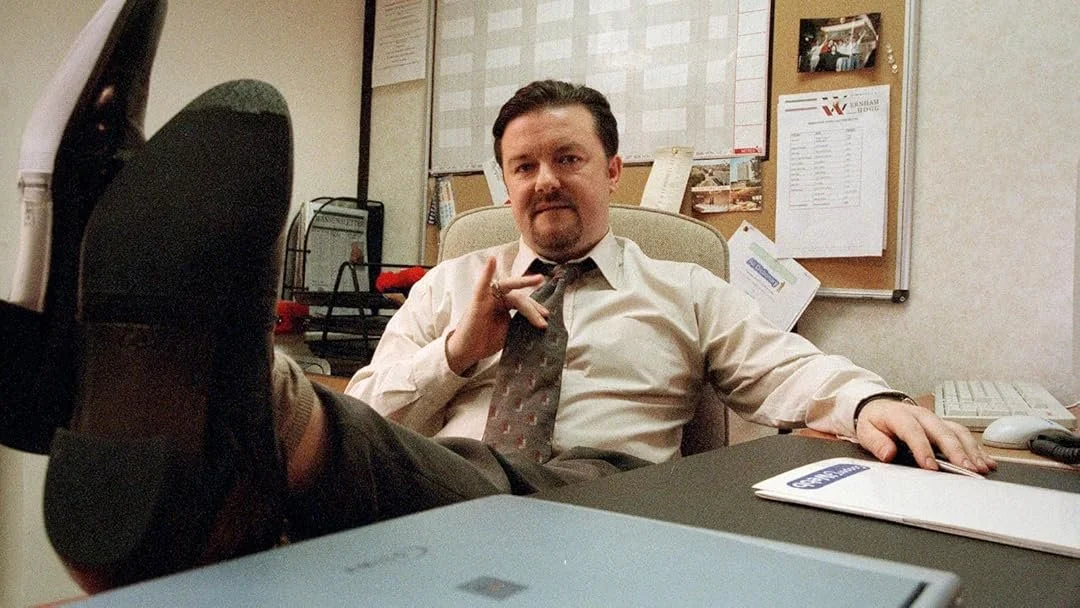
It was a reminder of how powerful that observational language had become. By the early 2000s, it was so familiar that it could even be used to construct fictional worlds.
Then there are films like Metallica: Some Kind of Monster, which sit somewhere in between. On paper it’s a behind-the-scenes film about a band making an album. In practice it becomes something far stranger: a prolonged, uncomfortable study of ego, therapy, masculinity and creative collapse. What makes the film special to me is that the filmmakers seem to discover the story at the same time the audience does. The camera simply remains in the room as tensions escalate and relationships fracture.
There is a feeling while watching it that nobody, not even the band or the filmmakers quite know where things are going.
That uncertainty is the defining quality of observational filmmaking. It accepts that reality is messy, unresolved and occasionally dull. It also understands that within that mess lies the possibility of genuine revelation.
For much of the late twentieth century, this was how documentaries operated, particularly within British television. The filmmaker entered a world and stayed long enough for its internal logic to become visible.
Then it changed.
The shift didn’t happen all at once, but its influence is now unmistakable. The biggest platforms, particularly Netflix, began producing documentaries that looked less like reportage and more like cinema.
The modern documentary often arrives fully composed. Interviews are carefully lit, framed like portraits by the best cinematographers. Drone shots establish scale. Music swells at narrative beats. Archival footage is animated and layered with sound design. Episodes end on cliffhangers and beg you to select “Watch more like this”.
The craft is other worldly.
But the camera is no longer invisible.
Observational documentaries operate in uncertainty. When the camera rolls, nobody knows what will happen next. Not the viewer, not the subject, and often not the filmmaker. The tension lies in witnessing life unfold without explanation.
Cinematic documentaries, by contrast, often feel as though they already know the ending. Interviews are delivered with a choice retrospective clarity. We’d all like to write our own reviews but do you truly admire stories that are shaped around narrative arcs? Scenes are edited toward emotional resolution in such a way that the dopamine rush rivals your horse coming in.
Reality is beginning to behave like a screenplay.
None of this is inherently worse and in many ways documentary filmmaking has never looked better. The visual language has expanded, and the audiences understanding of nonfiction storytelling has grown dramatically.
But the emotional experience has shifted.
The older observational films felt like time spent inside someone else’s world. You were watching behaviour, not interpretation. You sat with the awkwardness, the silence, the bold carpets and woodchip wallpaper, the repetition of ordinary life until something quietly meaningful emerged.
Modern cinematic documentaries tend to guide you more deliberately. They are structured, persuasive, often beautiful.
I was reminded of that recently while working on a film about a vast, technically extraordinary structure built for a global audience. On paper it was exactly the kind of project modern documentary grammar seems built for: scale, spectacle, engineering precision, something designed to be seen in immaculate 8K resolution. The obvious approach would have been to lean into the cinematic language with beautiful aerials, dramatic lighting, perfectly structured interviews explaining how the thing came to life.
But the longer we stayed with the people building it, the less impact the spectacle had on me.
What emerged instead were small human moments: engineers quietly taking pride in a design tweak that nobody would ever see, project managers joking in whispered Yorkshire sarcasm about deadlines, rain soaked technicians staring up at a structure that only hours earlier had existed as drawings and calculations.
The story underneath the spectacle wasn’t really about the object at all.
It was about the people who made it.
The strange thing about working in an age obsessed with resolution—8K sensors, perfect colour, perceived cinema—is that the most compelling moments still tend to arrive in ways that have very little to do with the camera.
They arrive because you stayed stayed long enough.
Long enough for the surface, glitz and glamour to fall away.
Long enough for something quieter, more human, and far more truthful to appear underneath. The film stops performing and true, human magic returns.
James Malone
06/03/26
